Tile Trends and Durable Choices for Kitchens and Bathrooms in 2026
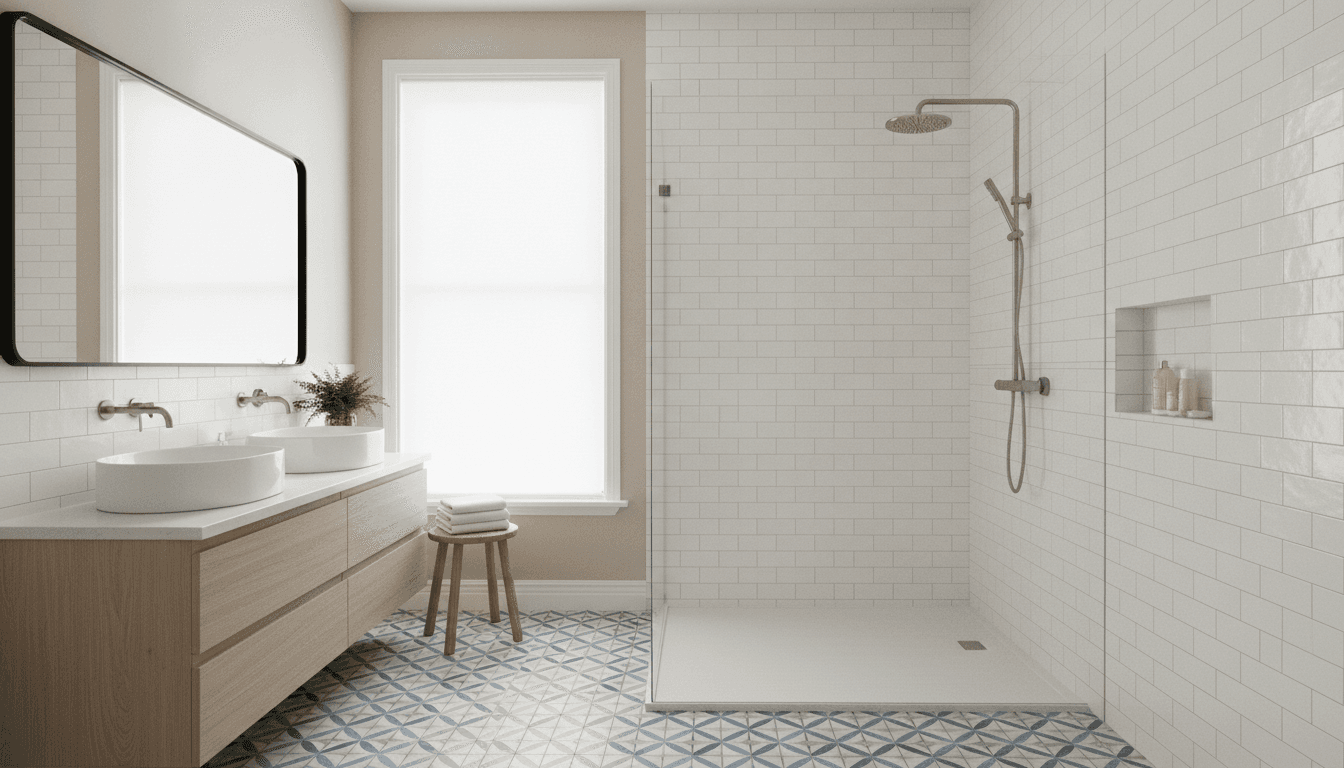
The most durable, on-trend tile choice for a kitchen or bathroom in 2026 is large-format porcelain in a warm neutral or stone look, paired with a forgiving grout color and a smart layout pattern. Porcelain handles Colorado's dry-then-wet swings better than almost anything else, resists stains and scratches, and looks current without chasing a fad you'll regret in three years. Below we break down the materials, patterns, and maintenance that hold up beautifully in Front Range homes from Castle Rock to Greeley.
The best tile materials for durability
Tile is one of the few finishes where the trendiest option and the most durable option overlap. Here's how the common materials stack up for kitchens and bathrooms.
- Porcelain: The workhorse of 2026. It's denser and less porous than ceramic, which means excellent stain, scratch, and moisture resistance. Modern porcelain convincingly mimics marble, travertine, concrete, and even wood-plank looks, so you get the high-end aesthetic without the upkeep. Ideal for floors, shower walls, and high-traffic kitchens.
- Ceramic: A solid, budget-friendly pick for walls and backsplashes where wear is lighter. It's easy to cut and install and comes in endless colors and finishes, but it's softer than porcelain, so we steer it away from heavy-use floors.
- Natural stone (marble, travertine, slate): Gorgeous and timeless, but porous. Stone needs periodic sealing and is more sensitive to acidic spills like wine, citrus, and coffee. Beautiful for a feature wall or a powder bath, but a higher-maintenance choice for a busy family kitchen.
- Glass tile: A favorite for backsplashes and accent niches. It's nonporous, reflects light to brighten a space, and wipes clean easily. Best used as an accent rather than a full floor.
- Quartzite and engineered surfaces: Sometimes used as slab backsplashes or shower surrounds for a seamless, grout-free look that's very easy to keep clean.
For most of our clients, porcelain is the answer for floors and wet areas, with ceramic or glass reserved for backsplashes and decorative accents. That combination gives you durability where it matters and personality where it's seen.
Tile patterns and looks trending in 2026
Trends in 2026 lean warmer, larger, and more tactile than the cool-gray era of a few years ago. A few directions we're seeing requested most often:
- Large-format tile (12x24, 24x24, and bigger): Fewer grout lines means a cleaner, more open look and less grout to maintain — a win for both style and upkeep.
- Warm neutrals and earthy tones: Creamy whites, soft beiges, warm taupes, and greige replace stark cool grays, pairing naturally with the wood and brass accents popular right now.
- Stone and travertine looks in porcelain: All the organic veining and movement of natural stone with none of the sealing or staining worries.
- Vertical and stacked layouts: Vertically stacked subway tile and vertical brick patterns add height and a fresh, intentional feel versus the standard offset.
- Zellige and handmade-look tile: Slightly irregular, glazed tiles with subtle color variation bring artisan character to backsplashes and shower walls.
- Textured and matte finishes: Matte porcelain hides water spots and adds slip resistance underfoot, while textured tile adds depth without busy patterns.
- Statement floors: Patterned or graphic tile in a powder room or mudroom delivers a designer moment in a low-risk space.
One practical note for aging-in-place and family bathrooms: matte and textured finishes aren't just on-trend, they're safer. They offer better grip when wet, which matters in showers and on bathroom floors. We factor slip resistance into every wet-area tile recommendation.
Don't overlook the grout
Grout is the most underestimated decision in a tile project. The right grout choice can make a floor look intentional and stay clean for years; the wrong one can date a room or become a maintenance headache.
- Epoxy and high-performance grouts: More stain- and water-resistant than traditional cement grout, and they hold their color. Especially worthwhile in kitchens, showers, and anywhere prone to spills.
- Grout color strategy: A grout that's close to the tile color gives a seamless, modern look and hides everyday grime. A contrasting grout emphasizes the pattern — great for a feature like a herringbone backsplash, but it shows wear faster on floors.
- Thinner grout lines: Rectified large-format tiles allow tight grout lines, which means less grout surface to clean and a sleeker finish.
Maintenance: keeping tile looking new
Part of why tile remains the smart long-term choice is how little it asks of you — especially porcelain. A few simple habits keep it looking new:
- Clean with pH-neutral cleaners and avoid harsh acids, which can etch natural stone and dull some finishes.
- Seal natural stone on the schedule your installer recommends — typically periodically over the life of the floor. Porcelain and glass generally don't need sealing.
- Wipe spills promptly on stone and grout to prevent staining, particularly with wine, coffee, and citrus.
- Use a soft brush on grout lines occasionally; epoxy grout makes this far easier.
- Address cracked or loose tiles early so moisture doesn't get behind the surface — small fixes prevent bigger problems.
Installation quality matters as much as the tile itself. Proper substrate prep, waterproofing in wet areas, correct slope in showers, and good layout planning are what separate a floor that lasts decades from one that fails in a few years. That's where working with an experienced remodeler pays off long after the trend has settled in.
How to choose the right tile for your project
Start with how the room is used. A busy family kitchen or a primary bath wants durable, low-maintenance porcelain. A powder room or accent wall is the place to splurge on natural stone, zellige, or a statement pattern. Then choose a finish that fits the space — matte and textured for floors and showers where grip matters, polished or glossy for backsplashes and accents where shine and easy wiping are the goal. Finally, lock in grout color and pattern to tie it together. When in doubt, warm neutrals in large-format porcelain are the choice you're least likely to regret.
SEALA Kitchen & Bath specializes in kitchen, bath, and aging-in-place remodeling across the Denver metro and Front Range, and our work is backed by a 5-Year Labor Warranty plus lifetime manufacturer parts warranties. If you'd like help choosing tile that fits your style, your household, and how you actually live, we're happy to walk through the options in person.
Frequently asked
Porcelain is the most durable choice for kitchen and bathroom floors. It's dense and low-porosity, so it resists stains, scratches, and moisture, and it stands up well to Colorado's dry-then-wet conditions. Modern porcelain also convincingly mimics marble, stone, and wood, so you get a high-end look with minimal upkeep.
It depends on the space. Natural stone like marble or travertine is beautiful and timeless but porous, so it needs periodic sealing and is more sensitive to acidic spills. Porcelain delivers a similar look with far less maintenance, which makes it the better pick for busy kitchens and primary baths. Stone shines in lower-traffic spots like a powder room or an accent wall.
Warm neutrals — creamy whites, beiges, warm taupes, and greige — are replacing cool grays, alongside large-format tiles, stone and travertine looks in porcelain, vertical and stacked layouts, zellige and handmade-look tile, and matte or textured finishes. Statement patterned floors in powder rooms and mudrooms are also popular.
Keep reading
Ready to start your remodel?
Free consultation and estimate · 12 months same as cash · 5-Year Labor Warranty.