Remodeling an Older Denver-Area Home: What to Expect With Layouts, Plumbing, and Surprises
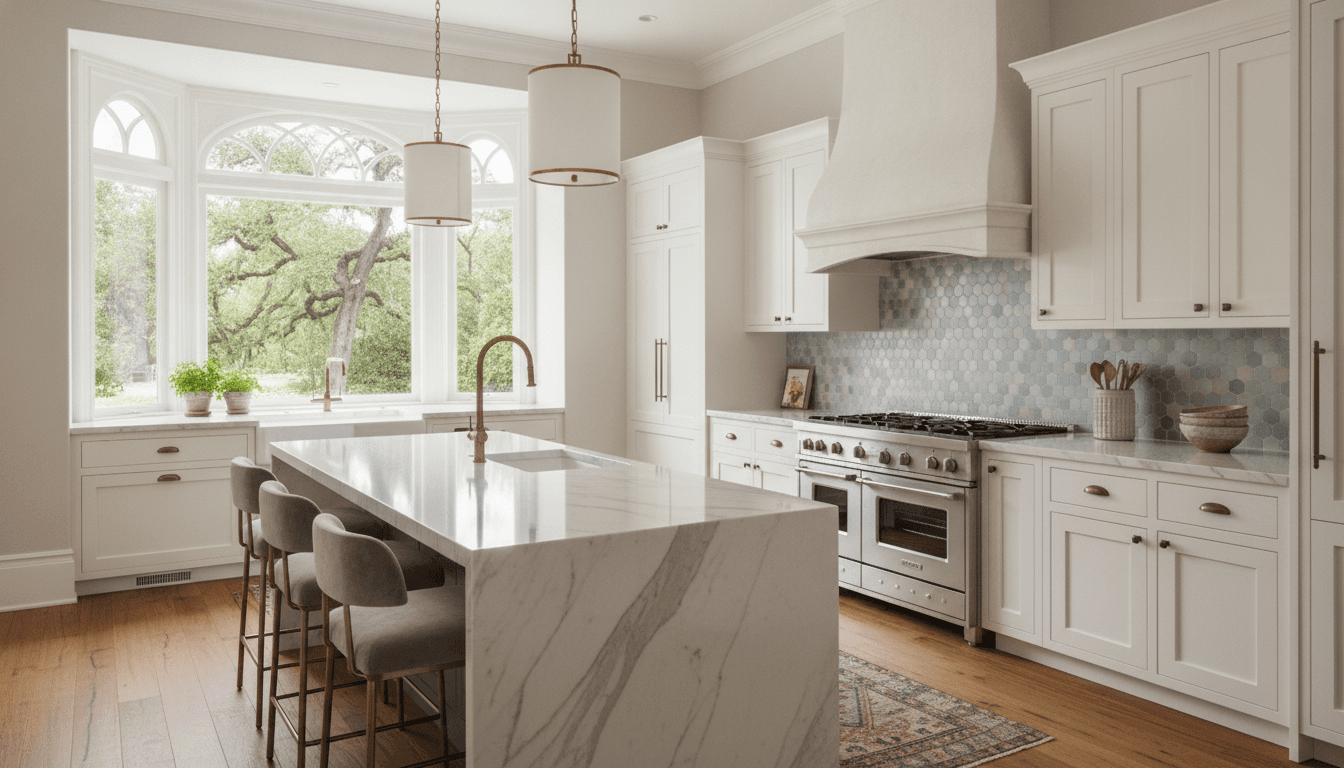
Short answer: remodeling an older Denver-area home usually means three things will be different than in a newer build—the layout was designed for a different era of living, the plumbing and wiring may be near the end of their useful life, and demolition almost always uncovers at least one surprise behind the walls. None of that is a reason to avoid the project. Older Front Range homes have character, solid bones, and locations newer construction can't match. It just means the smart approach is to expect the unexpected, budget a cushion for it, and work with someone who has opened up enough old walls to know what tends to be hiding back there.
Whether you're in a 1920s bungalow in a close-in Denver neighborhood, a mid-century ranch, or a 1970s split-level out toward Castle Rock or Greeley, the patterns are remarkably consistent. Here's an honest walkthrough of what to expect with layouts, plumbing, and the surprises that come with age—so you can plan with your eyes open instead of getting blindsided mid-project.
Old layouts were built for a different way of living
The single biggest thing homeowners notice when they remodel an older home is how differently the space was laid out. Kitchens were once closed-off work rooms, tucked behind a wall and never meant for guests to gather in. Bathrooms were small and purely functional. Doorways and hallways were narrower. Rooms were compartmentalized rather than flowing into one another. That's not bad design—it reflected how people actually lived when these homes were built. It just doesn't match how most of us want to live now.
When you remodel, you're often trying to bring an older floor plan forward: opening a cramped galley kitchen to the dining room, carving a usable primary bath out of a tight footprint, or widening a path so it works for a walker or wheelchair down the road. All of that is very doable. The catch is that older homes hide more inside their walls than newer ones, so changing a layout is rarely as simple as it looks on paper. A few realities worth knowing:
- Walls you'd love to remove are sometimes load-bearing, which means the weight has to be carried by an engineered beam rather than just opened up. Very common, very doable—it just has to be planned, not improvised.
- Older homes settle over decades, so floors aren't always level and walls aren't always plumb. That affects how new cabinets, tile, and counters meet old surfaces, and a good crew accounts for it.
- Ceiling heights, window placement, and the location of plumbing stacks often shaped the original layout, and those same things shape what's realistic to change.
- Reclaiming square footage usually comes from borrowing it—stealing a few inches from a closet, an adjacent room, or unused hallway—rather than from the room you're standing in.
The takeaway: an older home gives you more design opportunity than people expect, but the path to that open, modern layout runs through the structure and the systems hidden inside the walls. That's why an honest assessment up front matters so much.
What to expect with plumbing in an older home
Plumbing is where older homes most often surprise their owners, and it's worth understanding before you start. Homes built across several mid-century and earlier decades used materials and configurations that were standard then but show their age now. When we open walls during a kitchen or bath remodel, here's what we commonly find:
- Galvanized steel supply pipes that have corroded internally over the decades, narrowing the pipe and choking your water pressure from the inside out.
- Older drain and waste lines—sometimes cast iron—that may be cracked, partially clogged with buildup, or simply at the end of their service life.
- Plumbing routed in ways that make a modern layout change tricky, since fixtures were placed to suit the original floor plan, not your new one.
- Outdated or undersized venting that no longer meets how plumbing is done today.
- Prior repairs and patch jobs from past owners—some fine, some clearly improvised—that only come to light once the wall is open.
Here's the honest part: you often can't know the true condition of old plumbing until demolition exposes it. A remodel is genuinely the best time to address it, because the walls and floors are already open and the access is free. Replacing a tired section of supply or drain line while we're already in there is far easier than discovering a leak behind brand-new tile a year later. When we remodel an older bathroom or kitchen, we treat the plumbing we can see as a chance to get you onto sound, modern lines—so the beautiful finishes you're paying for are sitting on top of a system that will last. That's the heart of Affordable Quality: the parts you never see are what protect the parts you do.
One planning note: moving a sink, toilet, or shower to a new spot in your layout means rerouting plumbing, which takes more time and work than keeping fixtures where they are. It's often well worth it for the right layout—just know that relocating the plumbing is one of the bigger drivers of an older-home remodel's scope and timeline.
The surprises: what tends to show up once demo starts
Every experienced remodeler will tell you the same thing about older homes: it's not whether you'll find a surprise, it's which one. The good news is that the surprises tend to fall into a predictable handful of categories, so they can be anticipated even when they can't be seen in advance. The most common ones we encounter on the Front Range:
- Hidden water damage—soft subfloor, rot, or mold behind a tub, under a toilet, or around a window where moisture has been quietly working for years.
- Outdated wiring, including old two-wire systems, undersized circuits, or junctions buried in walls that need to be brought up to a safe modern standard.
- Non-standard framing. Older homes were often framed with real, full-dimension lumber and irregular spacing, so nothing is quite the standard size a modern product expects.
- Asbestos or lead in homes of a certain age, particularly in old flooring, popcorn ceilings, or paint—materials that need to be handled properly and safely.
- Pest or moisture history in crawl spaces and behind walls that wasn't visible during a normal walkthrough.
- Layers of past remodels stacked on top of each other—a floor over a floor, a wall furred out, a window framed over—each adding a small wrinkle to the work.
The reason these matter for planning is simple: they can affect your timeline and your scope. A surprise found behind the wall isn't a sign something went wrong—it's the home finally showing you what was always there. The way to stay calm through it is to build a contingency cushion into your budget and timeline from the start, and to work with a contractor who walks you through what was found, what it means, and your options before doing the work. No surprises on the surprises.
How to plan an older-home remodel that goes smoothly
Older-home remodels that go well almost always share the same habits. Start with a thorough assessment, so the structure, plumbing, and electrical are understood as well as possible before demolition. Build in a contingency for the things that can't be seen until the walls are open—this is the single best stress-reducer there is. Decide early whether you're keeping fixtures where they are or relocating them, since that choice drives much of the scope. And treat the open walls as a one-time opportunity to upgrade the systems behind your new finishes, rather than tiling over problems you'll have to revisit.
It's also worth folding in any aging-in-place thinking now, while the walls are open. Adding solid blocking for future grab bars, widening a doorway, or planning a curbless shower is dramatically cheaper to do during a remodel than as a separate project later. If you're investing in an older home you plan to stay in, building in a little future-proofing is some of the smartest money in the whole project.
One more thing to coordinate: structural and system changes in an older home typically involve your city's inspection and approval process. SEALA does not pull permits, so that step is handled by the homeowner or the general contractor coordinating the project—it's worth lining up early so it doesn't hold up your schedule. We focus on the craftsmanship of the remodel itself and work cleanly within that framework.
Older homes are worth it—with the right approach
Don't let the surprises scare you off. Older Front Range homes are some of the most rewarding to remodel: they have character, established neighborhoods, and quality bones that newer construction often can't match. The difference between a stressful older-home remodel and a great one comes down to expectations and execution—planning for what's behind the walls, addressing aging systems while you have access, and working with a team that's seen it all before. SEALA Kitchen & Bath serves the Denver metro and Front Range from Castle Rock to Greeley, and we'd be glad to walk your older home with you and talk honestly about what to expect. Every project is backed by our 5-Year Labor Warranty plus lifetime manufacturer parts warranties, and financing is available with 12 months same as cash. Call (720) 663-5094 or email hello@seala.com to book your free, no-pressure estimate. Affordable Quality, built to last.
Frequently asked
Not always, but older homes carry more unknowns, so it's wise to plan a contingency cushion in your budget. The reason is that aging plumbing, outdated wiring, hidden water damage, and non-standard framing often can't be seen until demolition opens the walls. We keep cost qualitative and focus on value, and the best first step is a free estimate where we assess your specific home and talk honestly about what to expect.
Often, yes—because a remodel is the one time the walls and floors are already open, giving us free access. Older galvanized supply lines corrode internally and choke water pressure, and old drain lines can be near the end of their life. Addressing tired plumbing while we're already in there is far easier and smarter than discovering a leak behind brand-new tile later. We'll show you what we find and walk you through your options before doing any work.
Hidden water damage and outdated wiring are the two most common. Soft subfloor or rot behind a tub or under a toilet, and old undersized or two-wire electrical, show up regularly once demolition starts. Non-standard framing and older flooring materials are close behind. None of these mean something went wrong—they're simply what age leaves behind—and they're exactly why an honest assessment and a budget cushion make older-home remodels go smoothly.
Keep reading
Ready to start your remodel?
Free consultation and estimate · 12 months same as cash · 5-Year Labor Warranty.