Should You Remodel Your Kitchen Before Selling Your Denver-Area Home?
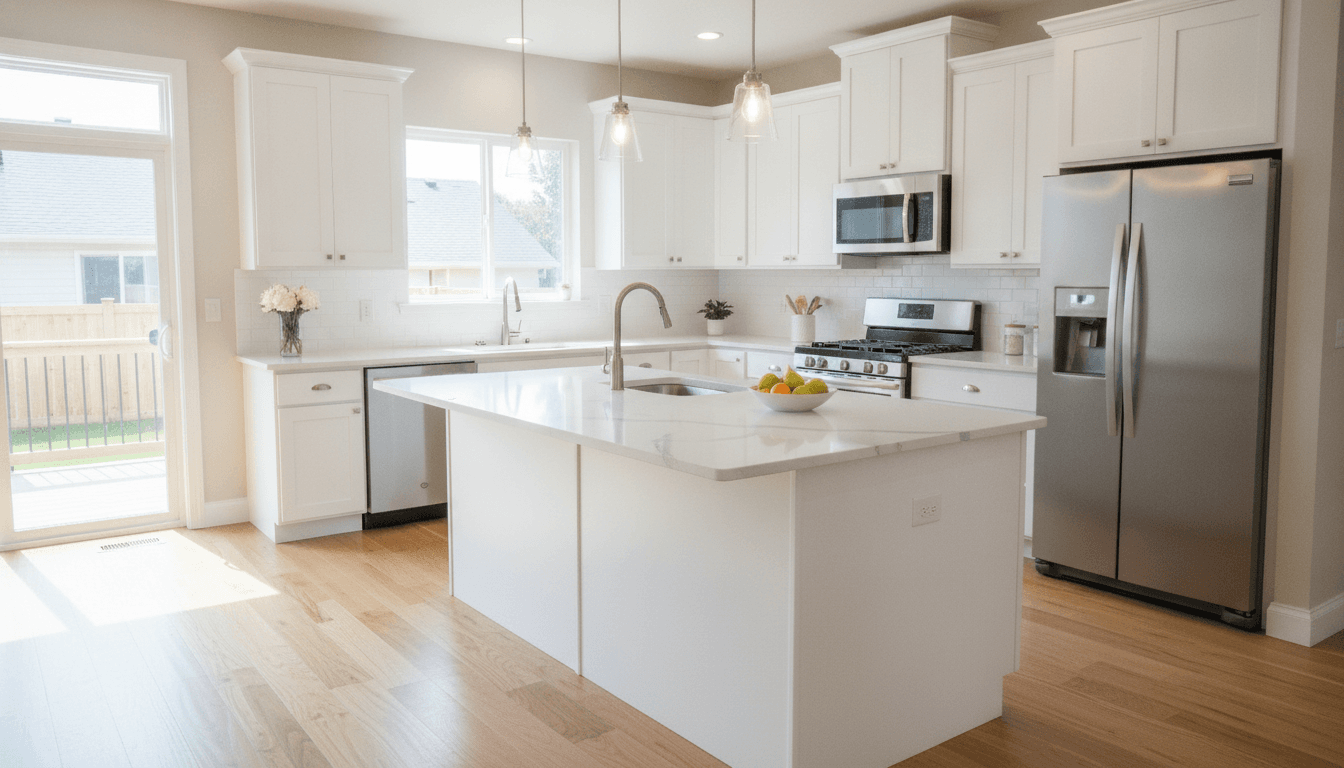
Short answer: usually not a full gut renovation, but often a targeted refresh. If your Front Range kitchen looks tired, dated, or broken, a focused update almost always helps your home show better and sell faster. But a complete tear-it-to-the-studs remodel right before listing rarely pays you back the way a few smart, visible improvements will. The goal isn't to build your dream kitchen for the next owner. It's to remove the reasons a buyer hesitates.
Why the kitchen carries so much weight with buyers
The kitchen is the room buyers judge hardest. It's where they imagine daily life, and it's the space that most signals whether a home has been cared for. In the Denver metro and along the Front Range, where buyers tour many homes in a weekend, your kitchen is often what they remember afterward. A clean, current, well-functioning kitchen makes the whole house feel move-in ready. A dated or worn one makes buyers mentally start a renovation budget, and that hesitation shows up as lower offers, longer days on market, or a list of repair requests after inspection.
That's the real value of pre-sale kitchen work: it isn't about chasing a number, it's about removing friction. You want buyers to walk in, feel good, and picture themselves cooking dinner there, not calculating what they'll have to fix.
When a kitchen update is worth it before selling
A pre-sale kitchen update tends to make sense when one or more of these is true:
- The kitchen looks clearly dated compared to other homes in your neighborhood or price range.
- Something is visibly broken or worn: peeling laminate, water-stained cabinets, a failing faucet, cracked countertops, or appliances that don't work.
- The layout has an obvious pain point, like a cramped corner, an awkward peninsula, or no functional counter space.
- Your home is otherwise updated, and the kitchen is the one room dragging down the impression.
- Photos matter for your market, and right now the kitchen photographs poorly.
In these cases, the right work helps buyers see the home at its best instead of fixating on the worst room. You're not over-improving, you're catching the house up to buyer expectations.
When you should refresh instead of fully remodel
If your kitchen is fundamentally sound, structurally fine, decent layout, no major damage, a full remodel before selling is usually overkill. You'd be spending time and effort building something to your taste that the next owner may change anyway. A targeted refresh almost always does more for a sale than a complete rebuild. High-impact, buyer-friendly moves include:
- Refacing or repainting cabinets instead of replacing them, when the boxes are solid.
- Updating countertops to a clean, neutral surface that reads as current.
- Swapping dated hardware, faucets, and light fixtures for simple modern ones.
- Replacing a single failing appliance rather than the whole suite.
- Fresh, neutral paint and improved lighting to brighten the whole room.
- Re-caulking, regrouting, and fixing the small worn details buyers notice up close.
Neutral is your friend here. Bold, personal finishes can shrink your buyer pool. The aim is broad appeal, a kitchen most people can picture making their own with minimal effort. This is exactly where SEALA's Affordable Quality approach fits: getting a real, durable result without gutting a kitchen that doesn't need gutting.
Aging-in-place upgrades can be a quiet selling point
One angle Front Range sellers often overlook: thoughtful accessibility improvements can widen your buyer pool. Features like easy-reach storage, better task lighting, lever-style faucets, and a more open, navigable layout aren't just for aging homeowners, they read as comfortable and well-designed to almost everyone. If your kitchen already has, or can easily gain, some of these touches, they're worth highlighting. Done well, they look like quality and forethought, not like a medical retrofit.
How to decide for your specific home
A few questions cut through most of the uncertainty:
- What's the first thing a buyer would notice walking into this kitchen, and is it good or bad?
- How does my kitchen compare to others a buyer would tour at the same price point?
- Is the issue cosmetic (paint, hardware, lighting) or structural (layout, damage, function)?
- Can a focused update fix the impression without a full rebuild?
- What's my timeline, and how much disruption am I willing to take on before listing?
If the problems are cosmetic, lean toward a refresh. If something is genuinely broken or the layout actively fights the buyer, a more involved update may be justified, but scope it tightly around what buyers actually respond to. When in doubt, get a professional eye on it before you commit. An honest walkthrough often reveals that a smaller, smarter project will do the job.
It also helps to plan ahead on logistics. Larger projects can involve a permitting step through your city, which the homeowner or general contractor coordinates as part of the overall sale prep, so factor timing into your listing schedule. For most pre-sale refreshes, the work is straightforward and the bigger question is simply choosing the right scope.
The bottom line
Remodel your Denver-area kitchen before selling only if it removes a real obstacle for buyers. A worn, dated, or broken kitchen is worth updating, usually with a targeted refresh rather than a full gut job, because it helps your home show beautifully and keeps buyers focused on what they love instead of what they'd have to fix. A solid kitchen that simply isn't your style? Leave the big changes to the next owner and put your energy into clean, neutral, high-impact updates.
Frequently asked
Usually not a full gut renovation. Unless the kitchen is badly damaged or its layout actively turns buyers off, a targeted refresh, cabinets, counters, hardware, lighting, and paint, tends to help a sale more than a complete rebuild, with far less time and disruption. The goal is to remove buyer hesitation, not to build a brand-new kitchen the next owner may change.
Clean, neutral, and current wins. Solid cabinets (refaced or repainted if the boxes are good), an updated neutral countertop, modern hardware and fixtures, bright lighting, and fixing any visibly worn or broken details. Neutral finishes keep your buyer pool wide, while bold personal choices can narrow it.
Small cosmetic touch-ups can be DIY, but for anything involving cabinets, countertops, plumbing, or layout, a professional walkthrough first usually saves money and headaches. An expert can tell you the smallest scope that will actually move the needle with buyers, so you don't over-improve before a sale.
Keep reading
Ready to start your remodel?
Free consultation and estimate · 12 months same as cash · 5-Year Labor Warranty.