Universal Design: Building a Home That Works Beautifully for Every Age and Ability
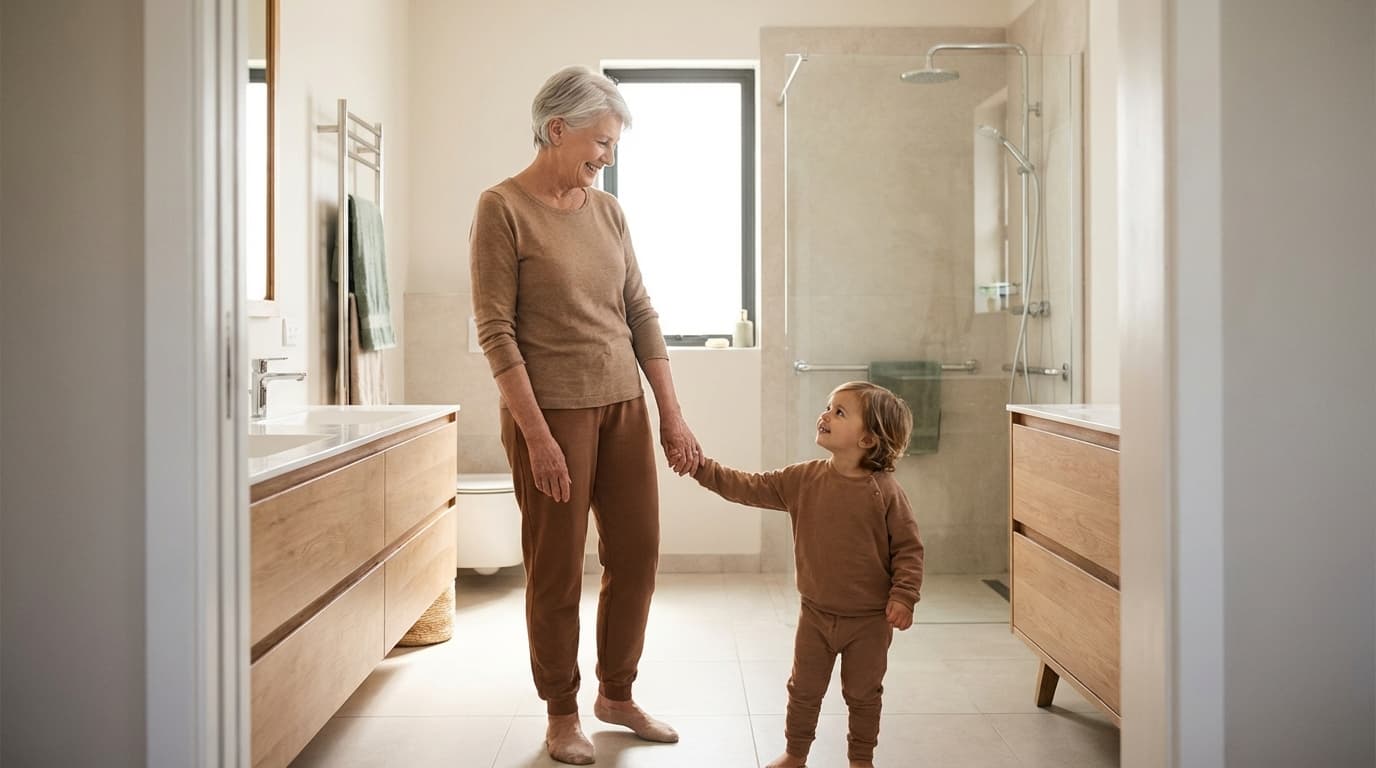
Universal design is the practice of designing a home so it works comfortably and safely for people of every age, size, and ability—without looking like a hospital or an afterthought. Instead of adding 'accessibility features' later, universal design builds ease and safety into the everyday: a step-free entry, wider doorways, lever handles, good lighting, and a curbless shower that simply looks great and happens to work for a toddler, a grandparent, a guest on crutches, and you thirty years from now. The goal isn't a 'special' home. It's a better one for everyone who lives in or visits it.
The phrase can sound technical, but the idea is simple and genuinely freeing once it clicks: a well-designed home shouldn't ask anyone to adapt to it. Below is a plain-language look at what universal design actually means, the features that deliver the most value, the myths worth letting go of, and how to fold these ideas into a kitchen or bath remodel here along the Front Range—whether you're planning for the long haul or just want a home that's easier to live in today.
Universal design vs. accessible design vs. aging in place
These terms get used interchangeably, but they aren't quite the same, and the difference matters when you're planning a remodel.
- Accessible design usually refers to features that meet a specific need or code requirement—think wheelchair clearances or grab bars installed for a particular person. It solves a defined problem.
- Aging in place is the goal of staying in your own home safely and comfortably as you get older, rather than moving to assisted living. It's a reason to remodel.
- Universal design is the broadest of the three: it's a philosophy that says a space should work well for the widest possible range of people, abilities, and life stages from the start. A universally designed home is accessible, but it's also just more pleasant for everyone—which is why these features rarely read as 'medical.'
The practical upshot: when you design universally, you usually get aging-in-place readiness and everyday livability in one move, and the home looks intentional rather than retrofitted.
The seven principles, in plain English
Universal design grew out of a set of seven guiding principles. You don't need to memorize them, but they're a useful lens because they explain why certain features feel so effortless to live with.
- Equitable use: the same design works for everyone—no separate 'accessible' entrance or fixture.
- Flexibility: it accommodates different preferences and abilities, like a handheld shower head that adjusts to any height.
- Simple and intuitive: it's easy to understand and use regardless of experience, like clearly placed, easy-to-reach controls.
- Perceptible information: it communicates clearly through good lighting, contrast, and readable layouts.
- Tolerance for error: it minimizes hazards, like slip-resistant flooring and rounded counter edges.
- Low physical effort: it can be used comfortably with little strain—lever handles instead of round knobs, pull-out shelves instead of deep reaches.
- Size and space for approach: there's enough room to move, turn, and reach, whether you're carrying groceries or using a walker.
Read those again and you'll notice none of them say 'for disabled people.' They describe a home that's simply easier for all of us—and that's the heart of the idea.
The features that deliver the most value
If you're remodeling a kitchen or bathroom, a handful of universal-design choices give you the biggest return in comfort, safety, and long-term flexibility. Here are the ones worth prioritizing.
In the bathroom:
- A curbless (zero-threshold) walk-in shower: nothing to step over, easy to enter, and it makes the room feel larger and more modern. It's the single highest-impact universal feature in most homes.
- Blocking in the walls for grab bars: even if you don't install bars today, having solid backing behind the tile means a secure grab bar can be added anywhere, anytime, without opening up walls.
- A comfort-height (taller) toilet and a built-in shower bench: both reduce strain and add comfort for everyone, not just those with mobility needs.
- Slip-resistant flooring and a handheld shower head on a sliding bar: small details that quietly make the room safer and more flexible.
- Lever-style faucets and good, layered lighting: easier to operate and easier to see by.
In the kitchen:
- Varied counter heights or a section of lower counter: useful for seated prep, baking, or kids helping out.
- Pull-out shelves, deep drawers, and drawer-style base cabinets: they bring the contents to you instead of asking you to crouch and dig into the back of a cabinet.
- A drawer microwave or a wall oven at a reachable height: no lifting hot dishes overhead or down to the floor.
- Lever or touch faucets and rocker light switches: low-effort to use with full hands or limited grip.
- Generous, clear floor space and good task lighting: easier and safer to move and work, for cooks of every age.
Throughout the home, three quiet upgrades matter more than people expect: lever door handles (openable with an elbow or a full hand of groceries), wider doorways and clear pathways, and contrast and lighting that make edges, steps, and controls easy to see. None of these read as 'accessibility.' They just feel like a well-thought-out home.
Common myths worth letting go of
A lot of homeowners hesitate on universal design because of outdated assumptions. The reality has changed.
- Myth: it looks institutional. Today's grab bars double as towel bars, curbless showers look high-end, and comfort-height fixtures are mainstream. Designed well, universal features look like premium design, not medical equipment.
- Myth: it's only for older adults. Wider doorways help when you're moving furniture. Curbless showers are easier with a toddler. Lever handles help when your hands are full. These features serve every stage of life.
- Myth: you have to do it all at once. You don't. The smartest move is to build in the bones now—wall blocking, clear space, a curbless shower—and add visible features as you need them.
- Myth: it hurts resale. The opposite tends to be true. A home that's comfortable for a wider range of buyers, including the large and growing number planning to age in place, is a home that appeals to more people.
How to start: build the bones now
The most cost-effective time to make a home universal is during a remodel you're already doing, because the walls are open and the labor is already on site. The single best principle is to invest in the things that are hard to add later and easy to add now. In-wall blocking for future grab bars, a recessed subfloor for a curbless shower, slightly wider doorways, and clear turning space cost relatively little while a room is already apart—but retrofitting them later means opening finished walls and floors all over again.
Then layer in the visible, low-effort wins that improve daily life immediately: lever handles, pull-out storage, better lighting, slip-resistant floors, and comfort-height fixtures. You end up with a kitchen or bath that's beautiful today and ready for whatever the next decades bring—no demolition required. That's exactly the spirit of Affordable Quality: spending thoughtfully on the things that make a home genuinely better and longer-lasting, including the parts you don't see.
One honest note for planning: SEALA doesn't pull permits, and any work that requires them is handled through the proper channels by the responsible party. What we focus on is designing and building a space that works beautifully for your household now and for years to come.
Bringing it together
Universal design isn't about preparing for the worst. It's about building a home that quietly removes friction for everyone who uses it—today's busy family, this weekend's guests, and the version of you who'll be grateful, years from now, that the shower has no curb and the cabinets pull out to meet you. Done thoughtfully, it doesn't cost you style; it gives you a home that's both more beautiful and more livable. And the best time to build it in is whenever the walls are already open.
Frequently asked
Not anymore. Modern universal design blends into high-end interiors: grab bars double as towel bars, curbless showers look sleek and spa-like, and comfort-height fixtures and lever handles are now standard premium choices. The whole point is that the home works better for everyone without announcing it. Designed well, these features read as thoughtful, upscale design rather than accessibility equipment.
No. Universal design benefits every stage of life: wider doorways help when you're moving furniture, curbless showers are easier with young kids, lever handles help when your hands are full, and pull-out storage saves everyone's back. It also future-proofs the home so you're ready for whatever comes, and tends to appeal to a wider range of buyers down the road.
Focus on the things that are hard to add later and easy to add now while the walls are already open: in-wall blocking for future grab bars, a recessed subfloor for a curbless shower, wider doorways, and clear, open floor space. These cost relatively little during a remodel but are expensive and disruptive to retrofit afterward. You can always add the visible features, like the grab bars themselves, whenever you need them. A free in-home estimate is the best way to map out which of these make sense for your space.
Keep reading
Ready to start your remodel?
Free consultation and estimate · 12 months same as cash · 5-Year Labor Warranty.