Kitchen Cabinet Styles Compared: Shaker vs. Flat-Panel vs. Inset
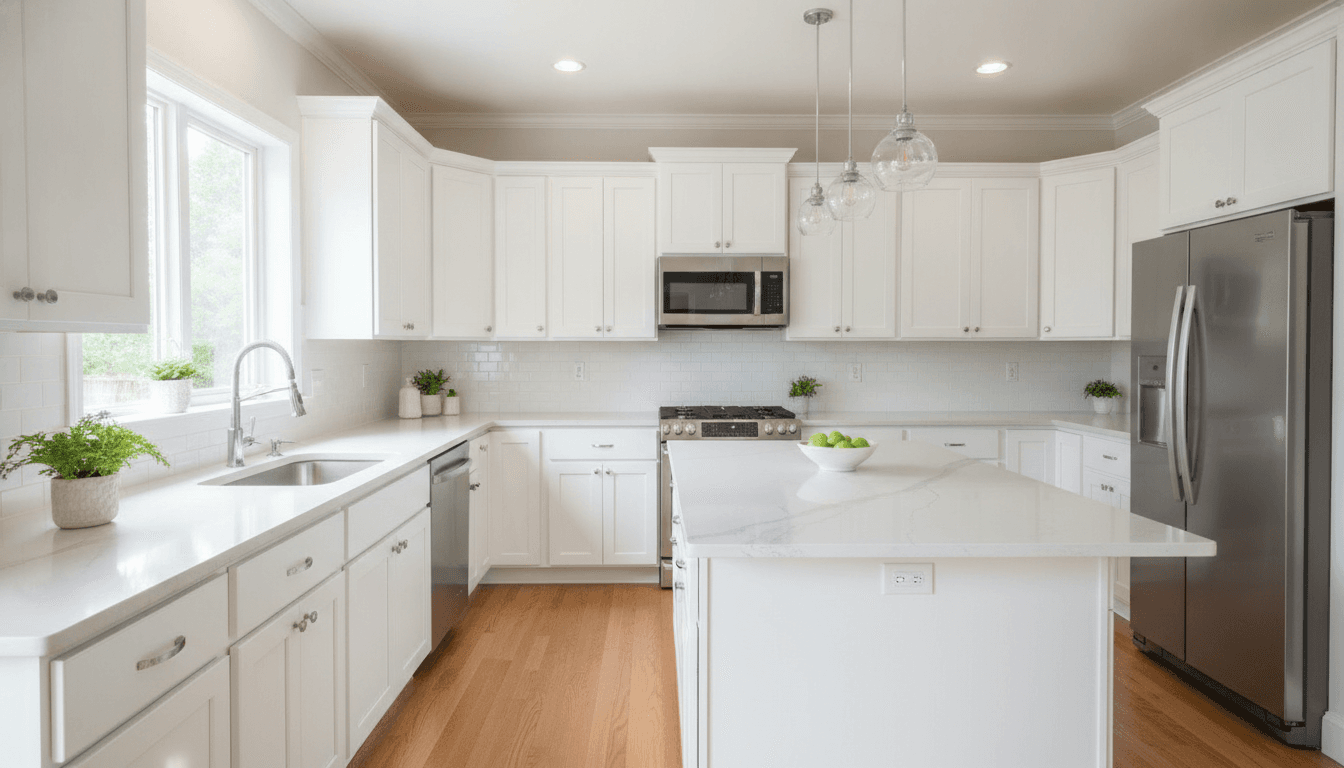
Short answer: choose Shaker if you want a timeless, resale-friendly look that fits almost any home; choose flat-panel (slab) for a clean, modern, easy-to-wipe-down kitchen; and choose inset for a high-end, furniture-quality feel where craftsmanship is the point. Most Denver-area homes land happily on Shaker, but the right pick really depends on your style, how hard your kitchen gets used, and how long you plan to stay.
Cabinets are the single biggest visual element in a kitchen and one of the first things buyers notice, so the door style you pick sets the tone for the whole room. Here is how the three most common styles actually compare in daily life—not just in a showroom photo.
Shaker cabinets: the safe, timeless default
A Shaker door is a five-piece door with a flat recessed center panel framed by four square-edged rails. That simple recessed frame is why Shaker reads as both traditional and modern—it quietly fits farmhouse, transitional, craftsman, and contemporary kitchens alike.
Why so many homeowners default to Shaker:
- It is the most broadly appealing style, which tends to help if you ever sell.
- It works in painted finishes (crisp whites, warm greiges, deep navies and greens) and in natural wood.
- The clean lines hide minor wear better than ornate raised-panel doors.
- It pairs with nearly any hardware, from matte black bar pulls to brushed brass knobs.
The one trade-off: that recessed center panel creates a small ledge that collects dust and cooking grease over time. It is a quick wipe, but it is a place to wipe. For most families, that is a fair price for a look that rarely goes out of style.
Flat-panel (slab) cabinets: clean, modern, easy to clean
A flat-panel or slab door is exactly what it sounds like—one smooth, flat surface with no frame and no detailing. This is the face of modern and contemporary kitchens, and it is having a long moment in new builds and renovations across the Front Range.
Slab doors shine when:
- You want a sleek, minimal, uncluttered look.
- Easy cleanup matters—there are no grooves or ledges, so a single swipe does it.
- You love wood grain or a bold high-gloss or matte color, since the flat face shows it off beautifully.
- You are pairing cabinets with handle-less push-to-open hardware for a seamless wall of storage.
Things to weigh: a perfectly flat surface shows fingerprints and smudges more readily, especially in high-gloss or very dark finishes. And because slab leans distinctly contemporary, it can feel out of place in a traditional home. If you love modern but worry about resale, slab in a warm wood tone is a softer, more flexible choice than stark glossy white.
Inset cabinets: furniture-quality and built to impress
With inset cabinets, the door sits inside the cabinet frame—flush with the face—rather than overlaying it. That flush fit is the hallmark of fine furniture and old-world craftsmanship, and it gives a kitchen an unmistakably custom, high-end feel.
Inset is worth considering when:
- You want a heirloom, built-in look that signals true quality.
- You are renovating a historic or character home and want the cabinetry to match its era.
- You appreciate precision and are willing to invest more in the craftsmanship it requires.
The honest trade-offs: inset requires tighter tolerances to build and install, so it is the most labor-intensive of the three. It also offers slightly less interior storage than overlay doors, because the door sits within the frame instead of over it. And because wood expands and contracts with humidity—relevant in Colorado's dry, swingy climate—inset doors need to be fit and finished carefully so they stay flush year-round. Done well, it is stunning. Done carelessly, the gaps give it away, which is exactly why this style rewards an experienced installer.
How to choose for your home and lifestyle
Instead of starting with the door, start with how you live. A few questions sort most homeowners quickly:
- How hard does your kitchen work? Busy family kitchens with kids and frequent cooking favor low-maintenance, wipe-clean styles—Shaker or matte slab over high-gloss or heavily detailed doors.
- What does your home already say? Match the cabinetry to your home's architecture. A 1900s bungalow loves inset or Shaker; a modern new build loves slab.
- How long will you stay? Staying long-term? Build for how you live. Selling within a few years? Shaker is the broadest-appeal, lowest-risk choice.
- Are you planning to age in place? Pair your door style with accessible details—lower or pull-out shelving, easy-grip hardware, and thoughtful counter heights. The door style and the function can absolutely work together.
- Do you want painted or natural wood? Painted Shaker and slab give you color freedom; natural wood grain looks best on slab and inset.
There is no single right answer—just the right answer for your home, your habits, and your timeline. The goal of Affordable Quality is getting you a kitchen that looks great, holds up to real life, and fits the way you actually use the space.
A quick side-by-side
- Most versatile and resale-friendly: Shaker.
- Easiest to clean and most modern: flat-panel (slab).
- Most custom, furniture-quality feel: inset.
- Best for busy family kitchens: Shaker or matte slab.
- Best for historic or character homes: inset or Shaker.
Ready to see what fits your kitchen?
The best way to choose is to see styles, finishes, and hardware together against your own walls, light, and layout. SEALA Kitchen & Bath serves the Denver metro and Front Range from Castle Rock to Greeley, and we are happy to walk your kitchen with you and talk through what makes sense for your home and budget—no pressure. Our work is backed by a 5-Year Labor Warranty plus lifetime manufacturer parts warranties, and financing is available with 12 months same as cash. Call (720) 663-5094 or email hello@seala.com to book your free estimate.
Frequently asked
Flat-panel (slab) doors are the easiest to clean because they have no frames, grooves, or recessed ledges—one wipe and you are done. The trade-off is that smooth surfaces, especially dark or high-gloss finishes, show fingerprints more. Shaker is a close second and only needs an occasional wipe of the recessed panel edge. A matte slab finish gives you easy cleanup with fewer visible smudges.
Not in any meaningful way. Shaker has stayed popular for well over a century precisely because its simple lines bridge traditional and modern looks, which also makes it one of the safer choices if resale matters to you. Trends shift in colors and hardware more than in the Shaker door itself.
Yes. Inset gives the most furniture-quality result, but you can get a high-end feel with Shaker or slab by choosing quality finishes, well-proportioned doors, and considered hardware. During a free estimate we can show you options that hit the look you want for your home and budget—that is what Affordable Quality is about.
Keep reading
Ready to start your remodel?
Free consultation and estimate · 12 months same as cash · 5-Year Labor Warranty.