Heated Bathroom Floors in Colorado: How They Work and Whether They're Worth It
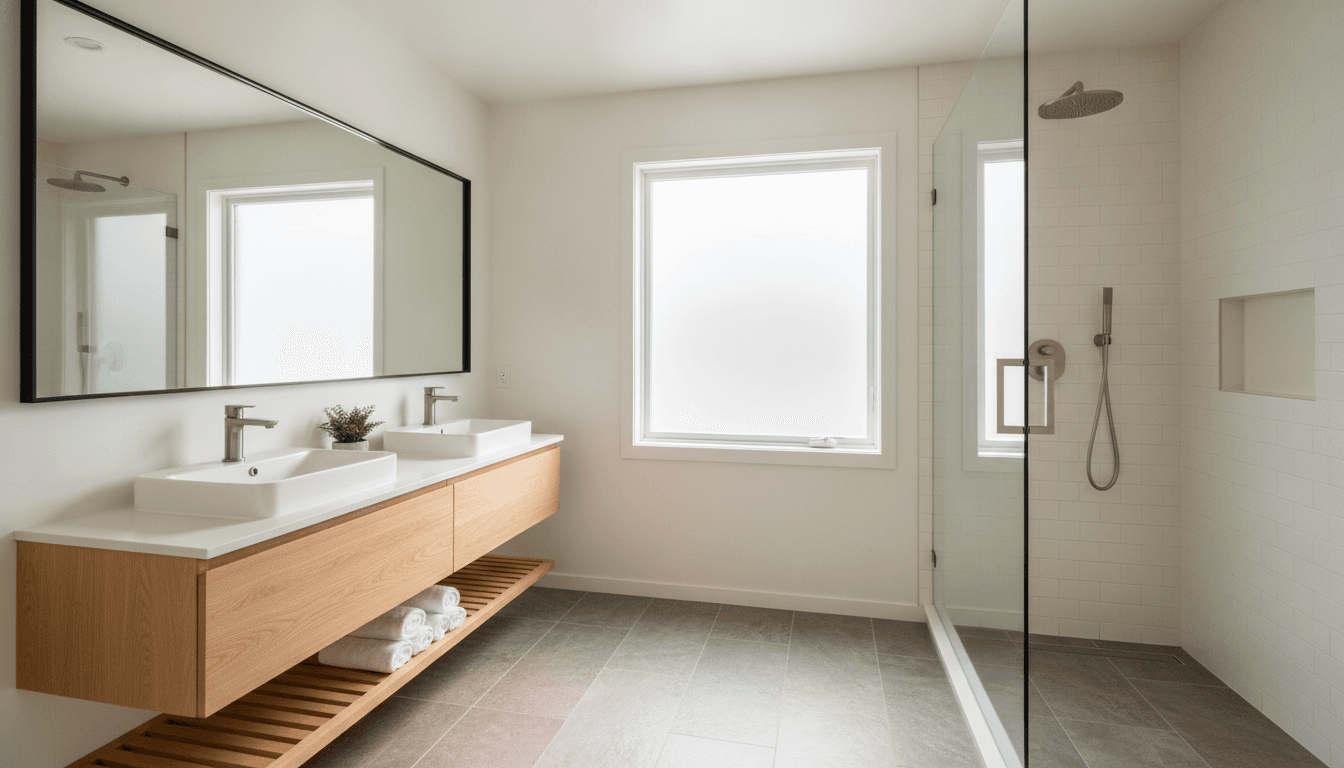
Short answer: for most Colorado bathrooms, heated floors are absolutely worth it during a remodel. Electric radiant floor heating warms tile from below so a cold bathroom floor feels comfortable underfoot on a frosty Front Range morning, it adds gentle warmth to a room that's hard to keep cozy, and because it's installed as part of a tile job you're already doing, the add-on is far cheaper than retrofitting later. It's quiet, maintenance-free, and uses a surprisingly small amount of energy for the comfort it delivers. The main reason to skip it is if you're not retiling the floor anyway, since the heating layer goes in underneath the tile.
How heated bathroom floors actually work
Almost every heated bathroom floor in a Colorado home uses electric radiant heat. A thin heating element—either a cable mat or loose cable embedded in mortar—sits directly under your tile, sandwiched in the thinset and floor build-up. When you turn it on, the element warms the tile mass, and the tile radiates that warmth up into the room and into your feet. There's no blower, no ducts, and nothing to hear.
A floor sensor and a programmable thermostat control everything. The sensor reads the actual floor temperature, and the thermostat lets you set a comfortable target and schedule it—warm at 6 a.m. before your shower, off mid-day, warm again in the evening. Modern thermostats are Wi-Fi capable, so you can nudge the floor on from your phone.
There's also hydronic (water-based) radiant heat, where warm water runs through tubing under the floor. It's excellent for whole-home or large-area heating, but for a single bathroom it's usually overkill—more components, more cost, and it needs a heat source. For a standard bath remodel, electric is the practical, proven choice, which fits our Affordable Quality approach: the right solution for the room, not the most expensive one.
Why they make extra sense on the Front Range
Colorado bathrooms have a few things working against comfort. Tile is a cold material to begin with, many homes have bathrooms over unconditioned crawlspaces or on slab, and our dry climate plus big day-to-night temperature swings mean floors lose heat fast. Forced-air furnaces also tend to under-serve bathrooms, which are small, often at the end of a duct run, and have a door that stays shut.
Radiant floor heat targets exactly that problem. Instead of trying to heat the air, it warms the surface you stand on and lets that warmth rise evenly. The result is a bathroom that feels warm at floor level—where you actually notice cold—rather than warm air pooling at the ceiling. For aging-in-place remodels especially, a consistently warm, slip-resistant tile floor is a real quality-of-life upgrade.
Comfort and energy: what to expect
On comfort, there's little debate—stepping onto a warm tile floor is one of those small luxuries people notice every single day. It also helps a bathroom dry faster after showers, which discourages mildew on grout and keeps the room feeling fresh.
On energy, electric floor heat is more efficient than most people assume, for three reasons. First, it only heats the room you're using, when you're using it, rather than overworking your whole-house system. Second, because the heat is delivered right at the floor, you stay comfortable at a lower thermostat setting than you'd need with forced air. Third, a good schedule does most of the work—running the floor in short windows around your routine uses a fraction of what running it all day would. A bathroom is also a small footprint, so the total heated area is modest to begin with.
- Pair it with a programmable or Wi-Fi thermostat and a sensible schedule—this is the single biggest factor in keeping running costs low.
- Good insulation under the floor (especially over crawlspaces or slab) sends warmth up into the room instead of down into the ground.
- Tile and natural stone are ideal surfaces; they conduct and hold heat well, so the system feels responsive.
- Size the system to cover the open floor area people actually walk on—you don't heat under the vanity or tub.
When heated floors are worth it (and when to wait)
Heated floors are most worth it when you're already replacing the floor tile—the heating layer goes in during that work, so you avoid paying twice. They're a strong yes if your bathroom is cold, sits over a crawlspace or on a slab, or is part of an aging-in-place project where warmth and comfort matter most. They're also a smart upgrade for a primary or guest bath you use daily.
They make less sense if you're not touching the floor, since retrofitting under existing tile means tearing it out. In that case it's usually better to wait until the next time the floor is open. And because heated floors involve a dedicated electrical circuit, it's worth folding the decision into your overall remodel plan from the start rather than tacking it on at the end.
Planning it into your remodel
The cleanest path is to decide on heated floors early, while we're laying out the bathroom. That way the electrical, the subfloor prep, the thermostat location, and the tile plan all line up, and the warm-floor zone is sized correctly for the room. Done as part of a full bath remodel, it's a comfort upgrade that delivers every morning for years—true Affordable Quality, where the value shows up in daily life, not just on paper.
Frequently asked
Less than most people expect. A bathroom is a small area, the system heats only that room when you need it, and a programmable thermostat lets you run it in short windows around your routine. Because the warmth is delivered right at the floor, you also stay comfortable at a lower setting than forced air would require, which keeps day-to-day energy use modest.
The heating element installs directly under your tile, so the floor needs to be open to add it. That's why heated floors are easiest and most cost-effective to include when you're already retiling. If you're not replacing the floor right now, it's usually best to wait until the next time the floor is opened up.
Yes. A properly installed electric radiant floor is sealed in the tile assembly with no moving parts, nothing to clean, and nothing to service. It runs on a dedicated circuit with a floor sensor and thermostat, and it's a common, well-proven part of modern bathroom remodels.
Keep reading
Ready to start your remodel?
Free consultation and estimate · 12 months same as cash · 5-Year Labor Warranty.