How to Choose a Bathroom Vanity: Single vs. Double, Floating vs. Freestanding, Storage and Height
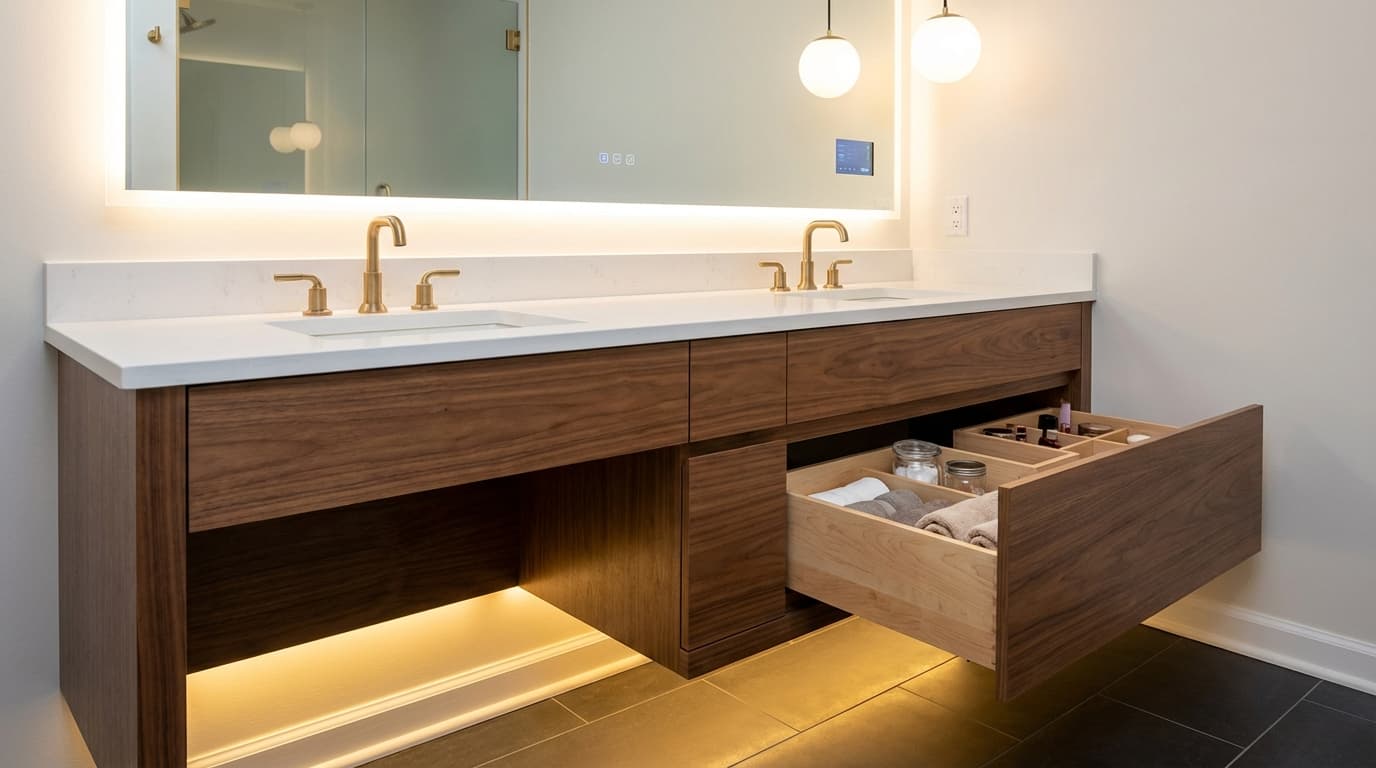
The right bathroom vanity is the one that fits how your family actually uses the room—so start with three decisions: how many sinks you need, whether the vanity should float off the floor or sit on it, and how tall the counter should be. Get those three right and the rest (door style, counter material, finish) falls into place. Below is a clear, no-pressure walkthrough of each choice so you can plan a vanity that works for your space and your daily routine.
Single vs. Double Vanity: How Many Sinks Do You Really Need?
A single vanity is the workhorse of most bathrooms. It gives you the most usable counter and cabinet space in a compact footprint, which matters more than people expect—two people rarely brush their teeth at the exact same second, but everyone appreciates a place to set things down. If your vanity wall is under about five feet wide, a single sink almost always makes the most sense.
A double vanity shines in a shared primary bathroom where two people get ready at the same time on busy mornings. To do a double sink well, you generally want at least five to six feet of vanity width so each person has elbow room and a usable stretch of counter. Squeezing two sinks into a narrow run often backfires: you end up with two cramped basins and almost no surface to actually use.
A middle path worth considering is a single, larger basin or a wide single sink paired with a long counter and a tall storage tower. You get generous landing space and storage without sacrificing the room a second bowl would eat up. If you love the look of a double but the wall is tight, this is often the smarter call.
- Choose a single vanity for guest baths, kids' baths, powder rooms, and any wall under ~5 feet.
- Choose a double vanity for shared primary baths with ~5–6+ feet of width and two simultaneous users.
- Remember: more counter and storage usually beats a second sink in a tight space.
Floating vs. Freestanding: Which Style Fits Your Bathroom?
A floating (wall-mounted) vanity attaches to the wall with open space underneath. It makes a room feel larger and lighter because you can see the floor continue beneath it, and that open floor is genuinely easier to clean—no kick space to trap dust and hair. Floating vanities also let you set the counter at a custom height, which is handy for tall users or a more modern look. The trade-off is that they need solid wall blocking behind the drywall to carry the weight, and the under-sink area is often shallower, so you plan storage a little differently.
A freestanding vanity sits on the floor like a piece of furniture. It's the most flexible and forgiving option: it hides plumbing easily, offers deep drawers and cabinets, and works with nearly any plumbing layout because the supply and drain lines don't have to land at a precise height. Freestanding styles range from traditional furniture-look pieces to clean, contemporary boxes, so the look isn't limited—only the floating illusion is.
Practically speaking: pick floating when you want a light, open, modern feel and easy floor cleaning, and you're remodeling enough to add wall support. Pick freestanding when you want maximum storage, the simplest install, or a furniture-style centerpiece. Both can look stunning—this is more about lifestyle than right vs. wrong.
Storage: Drawers, Doors, and the Plumbing Reality
Storage is where a vanity earns its keep, and the single biggest upgrade is choosing drawers over doors wherever possible. Drawers bring everything to you instead of making you crouch and dig into the back of a dark cabinet. Wide, shallow top drawers are perfect for brushes, makeup, and small daily items, while deep lower drawers handle towels, hair tools, and cleaning supplies.
The catch under any sink is the plumbing. The P-trap and supply lines eat into the cabinet, which is why many vanities use U-shaped drawers that wrap around the pipes, or a false drawer front on top with a real drawer below. If you want the most storage, look for these smart configurations rather than a single big door.
- U-shaped or notched drawers route around the P-trap to reclaim under-sink space.
- A tall linen tower beside the vanity adds storage without widening the cabinet run.
- Built-in outlets inside a drawer keep hair dryers and toothbrush chargers hidden and tidy.
- Soft-close hardware and full-extension glides make drawers quieter and let you reach the very back.
Don't overlook counter material while you're planning storage, since the two work together. Quartz is a popular pick because it resists water, stains, and daily wear without sealing; natural stone and solid-surface options each have their own look and care needs. The right combination of durable counter and well-organized drawers is what makes a vanity feel effortless for years.
Vanity Height: Standard vs. Comfort Height
Counter height is the detail most people never think about—until they live with the wrong one. Older 'standard' vanities run around 30 to 32 inches tall, which suits children and shorter users. Newer 'comfort height' (sometimes called counter height) vanities run roughly 34 to 36 inches, closer to a kitchen counter, so most adults don't have to hunch over the sink. For a primary bathroom used by adults, comfort height almost always feels better day to day.
There are good reasons to choose the lower height: a kids' bathroom, a household with shorter family members, or simply your own preference. If you're floating the vanity, you get even more freedom to fine-tune the exact height to whoever uses the room most. The goal is a counter where you can wash your face and use the sink without straining your back.
Height matters even more for aging-in-place remodeling, an area we focus on. A thoughtfully planned vanity can pair a comfortable counter height with a roll-under or open knee space for seated use, easy-to-grip lever faucets, and drawers instead of low doors so nothing requires deep bending. These details keep a bathroom safe and usable for decades, and they blend right into a beautiful finished space rather than looking clinical.
Putting It All Together
Work through the decisions in order. First, count your real users and measure your wall to settle single vs. double. Next, decide the feel you want—open and modern (floating) or maximum storage and easy install (freestanding). Then plan drawers around the plumbing and pick a comfortable height for the people who use the room most. Layer in a durable counter and the finish you love, and you'll have a vanity that looks great and genuinely makes mornings easier.
SEALA Kitchen & Bath designs and installs bathroom vanities throughout the Denver metro and Front Range, from Castle Rock to Greeley—including aging-in-place layouts built to last. Our work is backed by a 5-Year Labor Warranty plus lifetime manufacturer parts warranties, and financing is available as 12 months same as cash. If you'd like help choosing the right vanity for your space, we'd love to take a look and walk you through the options.
Frequently asked
For most small bathrooms, a single vanity is the better choice. It gives you more usable counter and storage in a compact footprint. Doubles really need about five to six feet of width to work well—below that, two sinks leave you with cramped basins and almost no surface space. A wide single sink with a long counter is often the smarter way to get a roomy feel.
Yes. Because a floating vanity hangs on the wall, it needs solid blocking behind the drywall to carry the weight safely. That's easy to add during a remodel when the wall is open. It's one reason floating vanities are best planned as part of a larger bathroom project rather than a quick swap. We handle the wall support and mounting as part of the install.
Comfort height refers to a taller vanity, roughly 34 to 36 inches, closer to kitchen-counter height, so most adults don't have to hunch over the sink. Older standard vanities sit around 30 to 32 inches, which works well for children and shorter users. For an adult primary bathroom, comfort height usually feels noticeably better day to day.
Keep reading
Ready to start your remodel?
Free consultation and estimate · 12 months same as cash · 5-Year Labor Warranty.